If you or someone else is at immediate risk of harm, call Triple Zero (000) or visit your nearest emergency department.

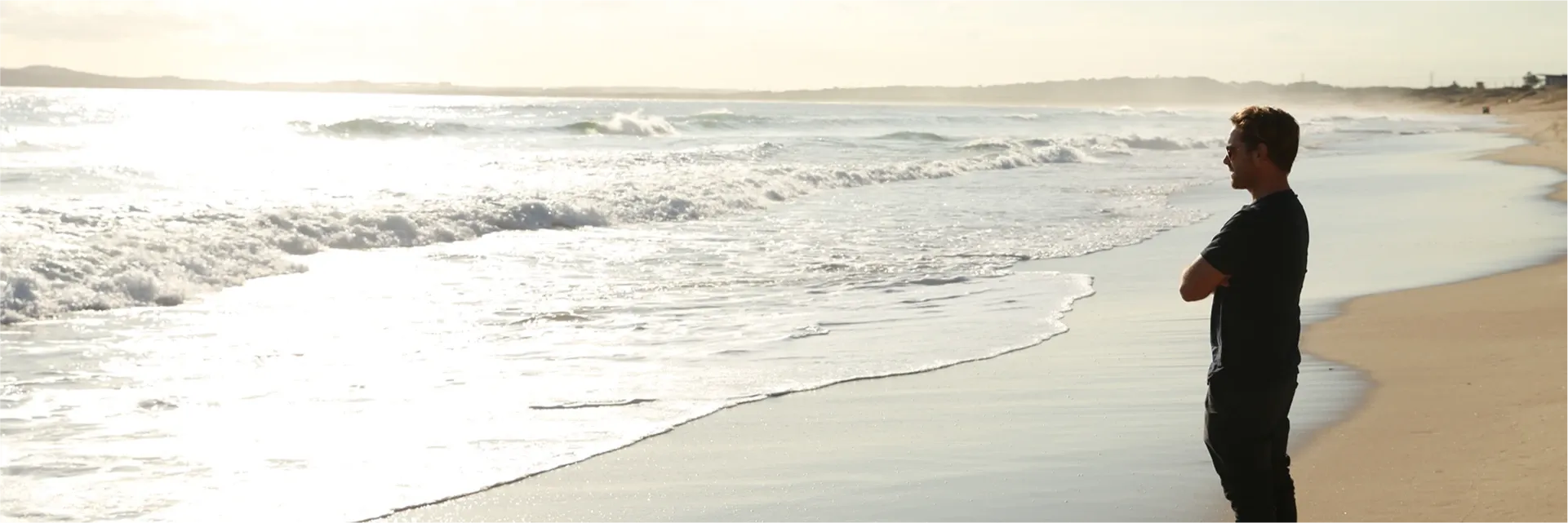
Man standing on a beach

The people in your life are better off with you.

Better Off With You shares real stories from people who’ve experienced suicidal thoughts or attempts, along with resources to help you look after yourself or support someone else.

Join RecoveryClub

Free and confidential support to help keep yourself or someone you care about safe while finding ways to move forward.

I’m having suicidal thoughts

Practical guidance to help you get through difficult moments, understand what you're experiencing, and connect with support.

I’m worried about someone

Signs to look out for and simple ways to start a supportive conversation with someone you care about.

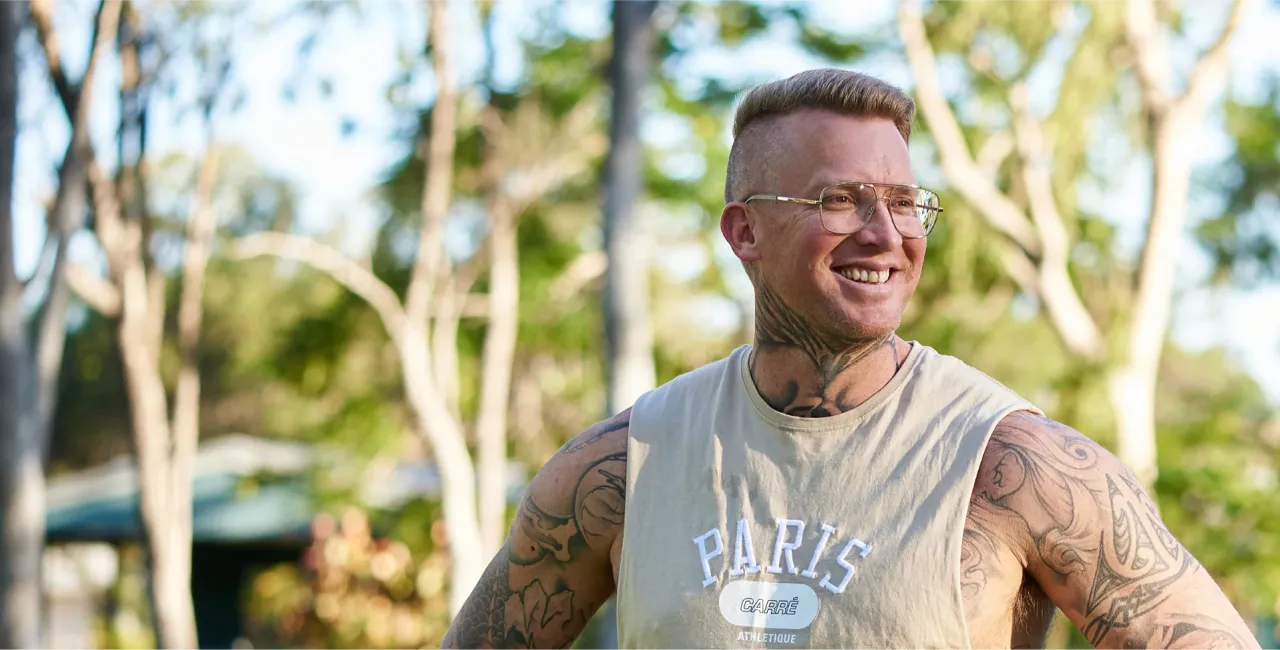
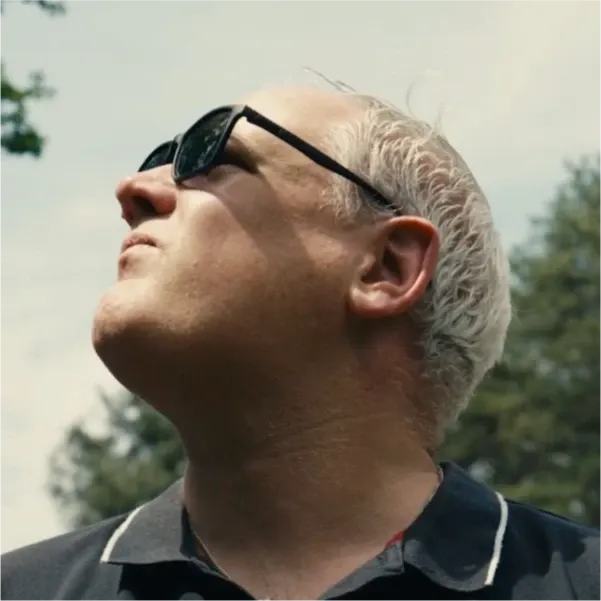
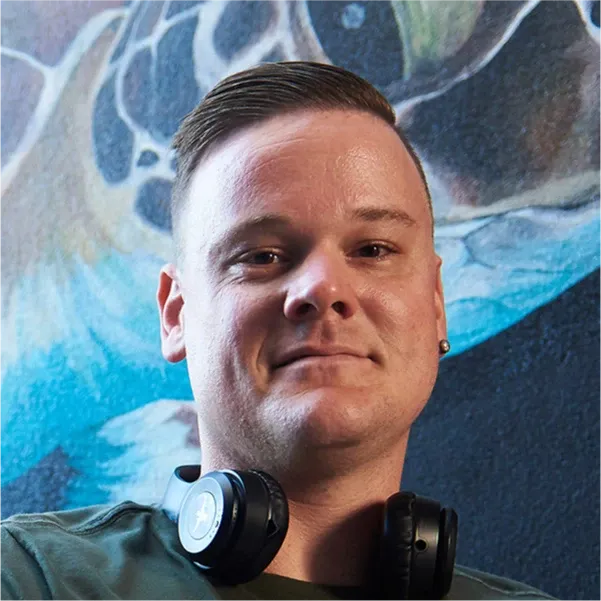
Damon's story

“You’re better off here”

Phoebe's story

“People do want to help”

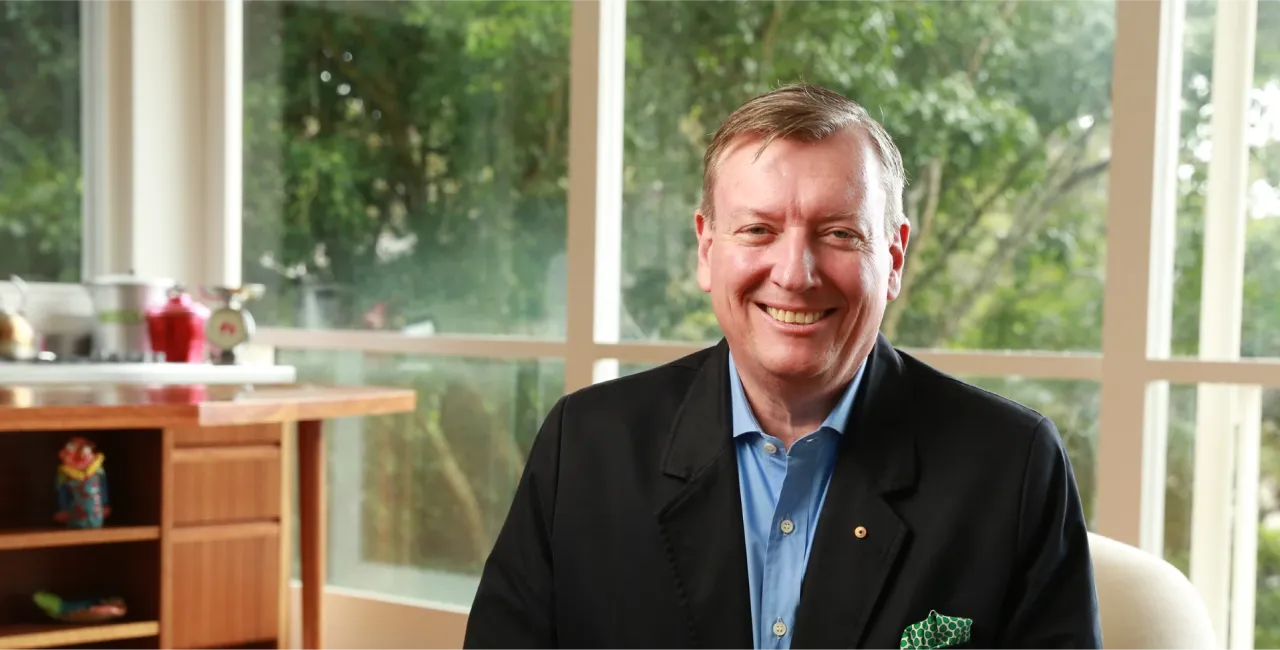
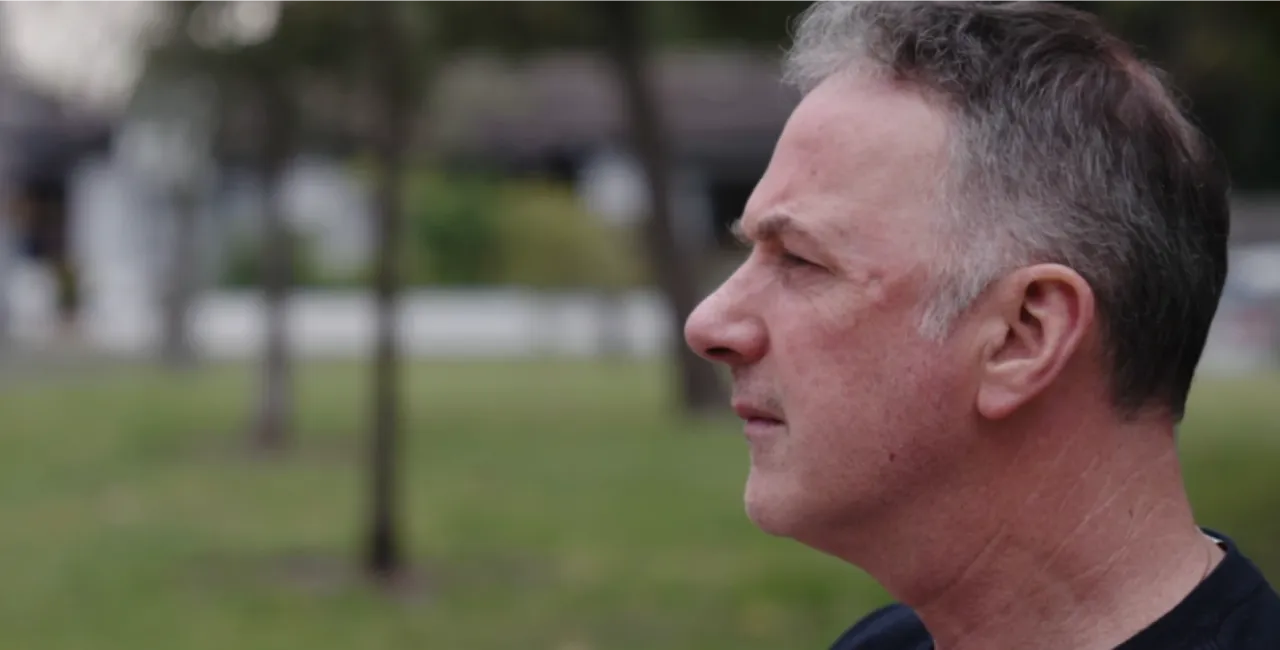
John's story

“There were people who loved me”

Nic's story

“Small things give me hope”

Ali's story

“You’ll be surprised by what the response is”

Fabian's story

“When you talk it gets easier”

Matt's story

“It doesn’t define me”

Nathan's story

“Stay connected”

    SANE RecoveryClub

    What is RecoveryClub?

    RecoveryClub is SANE’s free and confidential online support program for people navigating suicidal thoughts, emotional distress and recovery after crisis – as well as for friends, family and carers supporting someone they care about.

    Depending on what feels most helpful, you can access different types of support, including:

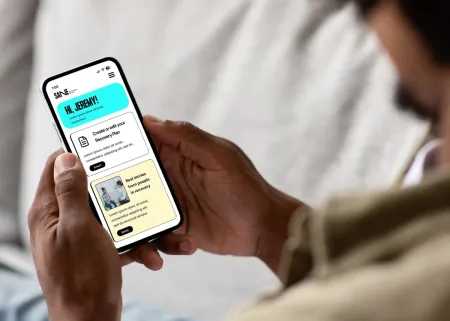
    • Digital safety and recovery plans
    • Self-paced learning and wellbeing activities
    • Moderated peer forums and group discussions
    • Webinars and other group learning sessions
    • Webchat and phone support
    • Live individual support
    • Follow-up check-ins, prompts and outreach support

    Many people use RecoveryClub while waiting for appointments, after leaving hospital, while supporting someone else, or during periods where they need extra connection, structure, or support.

    How it works

    Registering for RecoveryClub is free and only takes 5–10 minutes. You don’t need a referral, diagnosis or mental health care plan to join, just the willingness to take the next step in your recovery. If you’re eligible, you’ll receive a link to activate your portal and get started straight away.

    1 Confirm eligibility

    To register, you must be 18 or older, live in Australia and not have completed the program within the last six months. You can sign up for yourself or help someone else register. When you sign up, you’ll also be asked to review and agree to the RecoveryClub Terms of Service.

    2 Activate your portal and complete your survey

    After registering, you’ll get a link to activate your private participant portal and complete a short survey. This helps you reflect on where you’re starting from and helps us improve your experience.

    3 Start taking steps towards recovery

    Once you're set up, you can build your digital recovery plan and safety plan, complete self-paced learning and wellbeing activities, watch lived experience stories, join moderated forums and groups, attend webinars, access webchat and phone support, or book one-on-one support.

    Frequently asked questions

    What type of mental health support is right for me?

    Different types of mental health support are designed for different situations. Some services help during an emergency, while others focus on long-term recovery, access to different types of treatment, general information or community support over time. Many people use several types of support at once.

    For example, someone might:

    • Call Lifeline during a difficult night
    • Visit an emergency department if they are unsafe
    • Speak to a GP or Medicare Mental Health Centre
    • Use RecoveryClub for further support and recovery

    RecoveryClub is best for people who want support with:

    • Recovery after suicidal distress, crisis or emotional overwhelm
    • Safety planning and finding ways to stay safe
    • Building coping strategies and emotional stability
    • Building connection and finding peer support
    • Accessing support while waiting for appointments, treatment or other services
    • Supporting a partner, family member or friend through mental health challenges or suicidal distress

    Many people join RecoveryClub:

    • After calling Lifeline or 13YARN
    • After leaving hospital or emergency care
    • While waiting for appointments
    • During periods where they need more connection, structure, or support
    • While supporting a friend, family member or someone else.

    You can use support at your own pace and choose the kinds of support that feel right for you.

    Can I use RecoveryClub to help me support someone else?
    Yes. Many people use RecoveryClub while supporting a partner, family member or friend through suicidal distress, emotional overwhelm or ongoing mental health challenges. Supporting someone you care about can feel isolating and difficult to navigate alone. RecoveryClub offers peer connection in the SANE Forums Supporting someone through suicidal thoughts space, practical resources and support spaces where carers, supporters and loved ones can learn from others with similar experiences.

    This includes parents, carers and family members supporting young people experiencing suicidal distress, self-harm, emotional overwhelm or mental health challenges.

    Some people actively participate in discussions or groups, while others simply read and explore support in their own time.
    Can I talk to someone to see if RecoveryClub is right for me?
    The SANE Service Enquiries line (1800 187 263) and webchat service can answer questions about RecoveryClub or help you find the right mental health support for you. It’s available Mon-Fri, 10am–8pm (AEDT/AEST).

    You can also learn more about what it’s like from people who’ve been in the program by visiting SANE Forums.
    How long is the RecoveryClub program?
    RecoveryClub provides six months of access to your private online portal, learning and wellbeing activities, groups, webinars and live support options. During this time, you can use support at your own pace and choose the activities and supports that feel most helpful for you.

    After your six-month program period ends, you can still access SANE’s public resources and 24/7 forums to stay connected and continue building on your recovery over time.
    Do I need a phone and internet access to join RecoveryClub?
    Yes. RecoveryClub is fully online and works on most computers, tablets and smartphones. If internet access is limited, you can often use free Wifi at libraries or community centres.

    Feel free to reach out to a SANE team member to help you troubleshoot access if needed. The SANE Service Enquiries line (1800 187 263) and webchat service is available Mon-Fri, 10am–8pm (AEDT/AEST).
    Will my information be kept confidential and private?
    Yes. Information shared in RecoveryClub is stored securely and only accessed by authorised SANE team members. We do not share your information outside SANE without your consent unless required by law or where we believe there is a serious risk to your safety or someone else’s safety.

    If we are concerned someone may be at immediate risk of serious harm, we may contact emergency services as part of our duty of care.

    Some people also ask about staying anonymous. You can use a display name and remain anonymous to other members in the SANE Forums. However, you are not anonymous to SANE.

    When you join RecoveryClub, your information helps our team personalise your support, respond to safety concerns, and provide the right level of care. Your personal details are never shared publicly.

    You don’t have to figure everything out today.

    RecoveryClub can help you stay connected, supported and safe while you work out what comes next.

    Dark skinned woman with brown hair and brown eyes, wearing a cream chunky woolen jumper and silver hoop earrings, staring out a window and thinking

    Thoughts can feel really convincing in difficult moments.

    You don’t have to face them alone.

    People who experience suicidal thoughts often begin to believe that they’re a burden on the people around them. These thoughts can feel very convincing in the moment, but they aren’t true and don’t reflect your value or importance to others.

    In fact, feeling like a burden is often a signal that someone needs more support, not less.

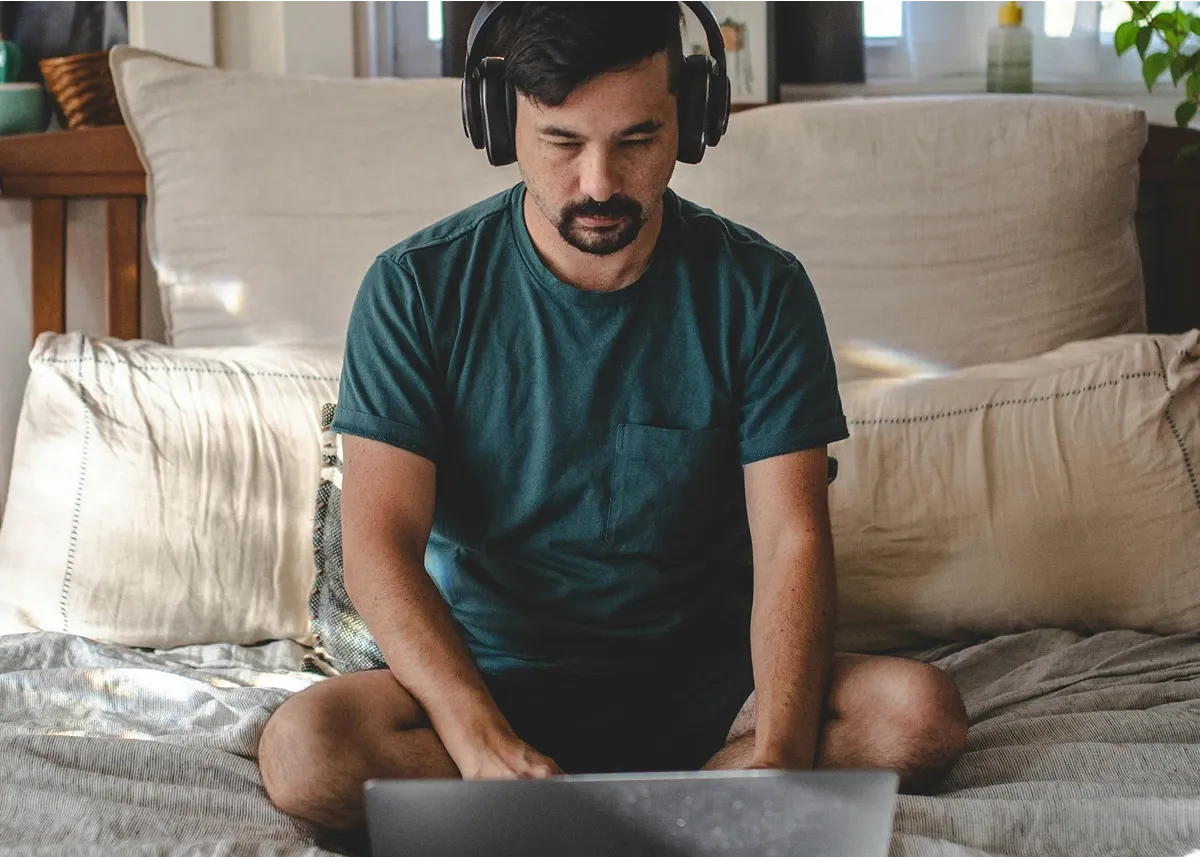
    Man using a laptop while wearing headphones

    Find peer support online.

    People come to SANE Forums to share their experiences and talk openly about mental health. You can read discussions, learn from others and join in when you feel ready. 

    You don’t have to post to benefit – many people start by just reading. It’s a safe, moderated space where you can feel less alone and connect with people who understand. 

    Explore support services

    If you or someone you know needs support, you can explore a range of services across Australia. This includes national crisis lines as well as local mental health and community services.

    Are you or someone you know in crisis?

    If you or someone else is at immediate risk of harm, call Triple Zero (000) or go to your nearest emergency department. If you’re supporting someone who has a plan to harm themselves, try not to leave them alone unless you’re concerned for your own safety.

    Crisis support is available 24/7 via Lifeline (13 11 14), 13YARN (13 92 76) and the Suicide Call Back Service (1300 659 467).