If you or someone else is at immediate risk of harm, call Triple Zero (000) or visit your nearest emergency department.

Learn about suicide: myths, facts & why language matters

Suicide can be difficult to understand and talk about. It affects individuals, families and communities in different ways, and there are many myths that can make it harder for people to seek help or support others.

Understanding the facts can help you feel more confident having conversations, recognising when someone might need support and knowing what to do next.

What would you like to explore?

Suicide myths & facts

Clear, evidence-based information to help you understand and prevent suicide.

Talking about suicide safely

Learn what to say (and what not to say) to support people and organisations safely and with confidence.

Support services & resources

Where to get help for yourself or someone else, including free and confidential support.

Suicide myths & facts

When it comes to speaking about the causes of suicide and how to best seek or offer help, it’s common for people to feel unsure about what’s true and what isn’t. It’s also normal for people to feel worried about saying the wrong thing or being judged for asking for help. These misunderstandings can make it harder to talk openly or reach out for support.

Myth
‘If someone has attempted suicide before, they won’t do it again.’
Fact

A previous suicide attempt can increase someone’s risk in the future, especially if the underlying pain hasn’t been addressed. Ongoing care, follow-up, and compassionate support are important parts of recovery.

Myth
‘People who think about suicide are weak.’
Fact

People experiencing suicidal thoughts are often in deep emotional pain and cannot see another way through. This isn’t a weakness. It’s a sign they need support, understanding and compassion – not judgement.

Myth
‘Nothing can stop someone who truly wants to die.’
Fact

Suicide is preventable. Many people who experience suicidal crises go on to live full, meaningful lives once they receive the right care. Intervening, listening and offering support can make a real difference.

Myth
‘People who talk about suicide are just seeking attention.’
Fact

Talking about suicide is often a sign someone is struggling and needs connection or support. It should always be taken seriously. Reaching out can help prevent the situation from becoming more serious.

Myth
‘Only people with a mental health condition think about suicide.’
Fact

Suicidal thoughts can affect anyone. While some people living with mental illness may be at higher risk, many people who experience suicidal distress have no diagnosed mental health condition.

Myth
‘Asking someone if they’re suicidal will put the idea in their head.’
Fact

Asking someone directly about suicide does not create suicidal thoughts. In fact, it often provides relief and can help someone feel less alone and more supported. It shows you’re willing to listen and take them seriously.

Around 1 in 6 Australians will experience serious suicidal thoughts at some point in their life.

National Study of Mental Health and Wellbeing (2020-2022) by the Australian Bureau of Statistics (ABS)

Why language matters

The way we talk about suicide can make a real difference.

Words can either open the door for someone to feel understood and supported… or make things feel more isolating, shameful or hard to talk about. Many of us grew up hearing suicide talked about in ways that were confusing, judgemental or avoided altogether. This can lead to misunderstandings or silence, even when people want to help.


Caucasian male in his 20s, in a blue and white striped shirt, standing with his elbows on a window sill looking out the window

What is stigma?

Stigma is when people are judged, blamed or treated differently because of something they’re going through.

When it comes to suicide, stigma can show up as:

  • Believing people should "just be stronger"
  • Avoiding the topic altogether
  • Using language that blames or labels someone
  • Feeling afraid to ask for help or speak honestly

While stigma can make people feel alone, it can also make them less likely to reach out when they need support. The good news is: we can all help reduce stigma by learning more and choosing our words with care.

Talking about suicide safely

Below are some practical tips to help you feel more confident having safe, supportive conversations in different settings.
Adults (friends, family, community members)

Helpful language and approaches

  • Use clear, calm language. It’s okay to ask directly: ‘Are you thinking about suicide?’
  • Listen to understand, not to fix. Give them space to talk. You don’t need to have answers. Simply being present and really listening can be more helpful than trying to solve things.
  • Acknowledge how they’re feeling. Empathetic responses like ‘That sounds really hard’ or ‘I’m really glad you told me’ can help someone feel seen and taken seriously.
  • Stay calm and non-judgemental. Try to manage your own reactions so the person feels safe to keep talking. Strong reactions (like panic, shock or anger) can make it harder for them to open up.
  • Let them know they’re not alone. Remind them that support is available and that you care about them. Even small statements like ‘I’m here with you’ can make a difference.
  • Encourage support and make it easier to access. You might say, ‘Would you be open to talking to someone together?’ Offering to sit with them while they call a helpline, book a GP appointment or reach out to someone they trust can reduce the pressure.
  • Check in again later. Support isn’t just one conversation. A message or call afterwards can help them feel remembered and supported.

Try to avoid

  • Using language that can feel judgemental or outdated. Phrases like ‘committed suicide’ can carry a sense of blame. Instead, you might say ‘died by suicide’ or ‘took their own life.’
  • Minimising or comparing their experience. Saying things like ‘Others have it worse’ or ‘It’ll pass’ can make someone feel dismissed, even if you’re trying to help.
  • Jumping straight into advice or solutions. It’s natural to want to fix things, but this can feel overwhelming. Try to listen first and ask what they need.
  • Making promises you can’t keep. For example, promising to keep suicidal thoughts a secret. If someone is at risk, it’s important to involve additional support.
  • Avoiding the topic altogether. It can feel uncomfortable, but not asking about suicide can leave someone feeling more alone. Gentle, direct questions are often the most helpful.

Learn more

Read tips for supporting someone you’re worried about

Kids & young people

Helpful language and approaches

  • Use simple, honest and age-appropriate language. For example: ‘Sometimes people feel so sad or overwhelmed that they don’t know how to cope.’
  • Let them ask questions and answer yours at their pace. Children and young people often take in information slowly. It’s okay if the conversation happens over time. You can say, ‘That’s a really good question. What have you heard about this?’ to understand what they already know.
  • Be calm, open and willing to talk. Your tone matters as much as your words. Staying calm helps them feel safe to keep asking questions and sharing what’s on their mind.
  • Focus on feelings and support. Help them understand that big feelings can happen and that support is available. For example: ‘If someone feels like that, it’s really important they talk to someone who can help.’
  • Reassure them they are safe and supported. Children, especially younger ones, may worry about their own safety or the safety of people they love. Simple reassurance like ‘You’re safe, and there are adults here to help’ can go a long way.
  • Encourage them to talk to a trusted adult. Help them identify who they can go to if they’re worried. This might be a parent, teacher, school counsellor or another safe adult. You might say, ‘If you ever feel worried like this, you can always come and talk to me or [trusted person].’
  • Check in again later. Kids and young people might not say much at first. Coming back to the conversation later shows them it’s okay to keep talking.

Try to avoid

  • Giving too much detail about suicide or how it happens
    Keep explanations simple and focused on feelings and support, rather than methods or specifics.
  • Dismissing, avoiding or rushing past their questions
    Changing the subject too quickly can make them feel like it’s not safe to talk about. Even if it feels uncomfortable, it’s important to stay open.
  • Using confusing, vague or euphemistic language
    Phrases like ‘they went to sleep forever’ can be confusing or even frightening. Clear, gentle language is usually best.
  • Overloading them with information
    It’s okay to keep things brief. Let them guide how much they want to know.
  • Assuming they’re too young to notice or be affected
    Children and young people often pick up more than we realise. Giving them a safe space to talk can help them make sense of what they’re feeling.

Learn more

Read Kids Helpline’s ‘Supporting a child who’s thinking about suicide’ guide

Workplaces & schools

Helpful language and approaches

  • Promote a culture where mental health can be talked about safely and an environment where people feel comfortable speaking up without fear of judgement or consequences. This can be as simple as regularly acknowledging mental health as part of everyday wellbeing.
  • Use consistent, respectful language across communications. Whether it’s emails, policies, staff briefings or classroom discussions, using clear and non-judgemental language helps reduce confusion and stigma.
  • Focus on support, recovery and help seeking. When talking about suicide, keep the emphasis on the fact that support is available and people can get through difficult periods with the right help.
  • Provide clear pathways to support. Make it easy for people to know where to go. This might include Employee Assistance Programs (EAP), school counsellors, wellbeing teams, GPs or helplines.
  • Encourage leaders and educators to model safe conversations. When managers, teachers and leaders speak openly and appropriately about mental health, it sets the tone for others. This includes checking in, listening without judgement and knowing when to guide someone to further support.
  • Respond thoughtfully after a critical incident. If a suicide or attempt affects your community, use safe, coordinated communication. Keep messages simple, factual and focused on support and avoid sharing unnecessary details. 
  • Offer training and build confidence. Providing staff with guidance or training (e.g. how to have supportive conversations or respond to distress) can help people feel more prepared and less unsure.

Try to avoid

  • Sharing detailed or sensationalised information about suicide. Avoid describing methods, locations or personal details. This can be distressing and may increase risk for vulnerable people.
  • Speculating about causes or assigning blame. Suicide is complex. Simplifying it to one cause or pointing blame can be harmful and misleading.
  • Using stigmatising or overly clinical language. Language that labels or distances people (e.g. ‘attention-seeking’, ‘the mentally ill’) can discourage help-seeking.
  • Over-communicating or under-communicating after an incident. Too much detail can be overwhelming while silence can create confusion. Aim for clear, timely and supportive updates.
  • Assuming people know where to get help. Even in well-resourced environments, people may not know how to access support. Always include clear, visible options.

Learn more

Support services & resources

If you or someone you know needs support, help is available. There are free and confidential services across Australia where you can talk to someone, get advice or find the right next step. You don’t need to be in crisis to reach out.

Whether you’re supporting yourself, someone else or your community, the following services and resources can help you feel more informed, prepared and supported. You can also explore our full list of support services for more options.

Support services for suicide bereavement & postvention

Losing someone to suicide or supporting others through it can be overwhelming, confusing and deeply painful. You don’t have to go through it alone. These services offer practical and emotional support, connection with others who understand and guidance as you navigate grief in your own time.

Griefline: Free phone and online support for people experiencing grief and loss.
Visit website
Call 1300 845 745

StandBy Support After Suicide: Practical and emotional support for individuals, families and communities after suicide.
Visit website
Call 1300 727 247

Thirrili: Culturally appropriate support for Aboriginal and Torres Strait Islander communities after suicide or traumatic loss.
Visit website
Call 1800 805 801

Minds Together: A peer support community for people affected by suicide, offering connection, shared understanding and resources.
Visit website

Explore more services.

If someone is in immediate danger or you believe they may attempt suicide, call Triple Zero (000) first and ask for police or an ambulance.

If it’s safe to do so, try to stay with the person until help arrives. Being present can help reduce feelings of isolation during a crisis. And if possible, you can also help make the environment safer by moving away from anything that could be used to harm themselves.

You can also contact one of the following services for guidance and support during a crisis:

  • Lifeline (13 11 14): Lifeline crisis supporters can listen without judgement, help you think through what is happening, and talk through options for keeping the person safe.
  • Suicide Call Back Service (1300 659 467): Provides phone and online counselling for people experiencing suicidal thoughts, as well as family members or friends supporting someone in distress.
  • 13YARN (13 92 76): A 24/7 crisis support line for Aboriginal and Torres Strait Islander peoples. You will be connected with an Aboriginal or Torres Strait Islander crisis supporter who understands the importance of culture, community and connection.

Click here to explore state/territory-based support services.

Access free support

Community support is a crucial part of suicide prevention. National evidence shows that structured support after a suicidal crisis reduces the risk of harmful behaviours. Yet many people discharged from ED never receive follow up contact or don’t know where to go next. 

SANE RecoveryClub is a free online program that offers small and large group learning, 1:1 support, lived experience community forums and self-guided resources for individuals and carers.
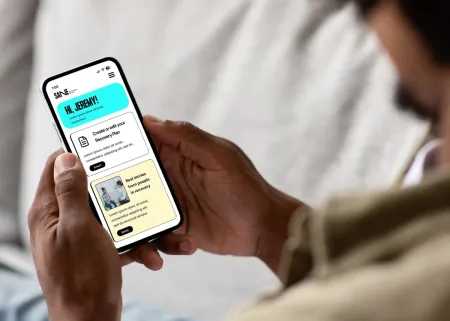

SANE RecoveryClub
Caucasian woman in her early 40s, sitting in an outdoor cafe, browsing the Forums on her smartphone

Find peer support online.

People come to SANE Forums to share their experiences and talk openly about mental health. You can read discussions, learn from others and join in when you feel ready.

You don’t have to post to benefit – many people start by just reading. It’s a safe, moderated space where you can feel less alone and connect with people who understand.

Online & downloadable resources

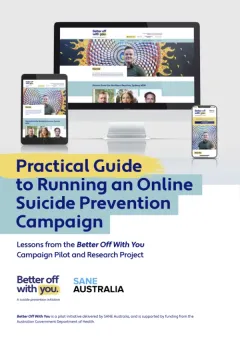
A Practical Guide to Running an Online Suicide Prevention Campaign cover

A Practical Guide to Running an Online Suicide Prevention Campaign

This guide includes practical information about designing and delivering targeted suicide prevention campaigns within communities, including insights from the research and evaluation of the Better Off With You campaign pilot and guidance to ensure safety and support of people with lived experience of suicidality in research and storytelling.
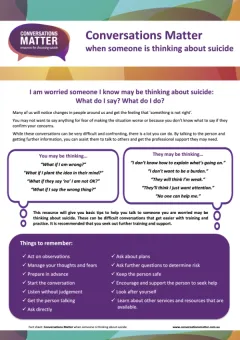
Conversations Matter: Holding group discussions about suicide prevention pdf

Conversations Matter: Holding group discussions about suicide prevention

Developed by Everymind, Conversations Matter is a practical resource to support safe and effective community discussions about suicide.
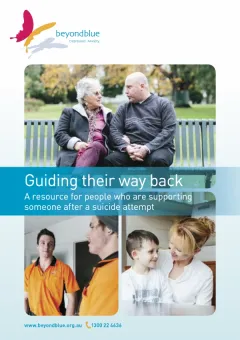
Guiding their way back: A resource for people who are supporting someone after a suicide attempt cover

Guiding their way back: A resource for people who are supporting someone after a suicide attempt

This guide provides practical information about the impact a suicide attempt can have. It talks about why people attempt suicide, how they might be feeling and, importantly, what you can do to provide support.
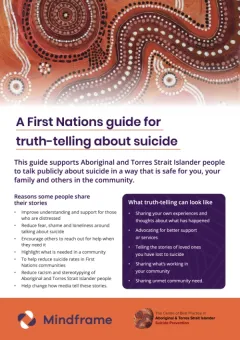
A First Nation’s guide for truth-telling about suicide pdf

A First Nation’s guide for truth-telling about suicide

This resource was developed by Mindframe and the Centre of Best Practice in Aboriginal and Torres Strait Islander Suicide Prevention to support safe and respectful public communication about First Nations suicide.
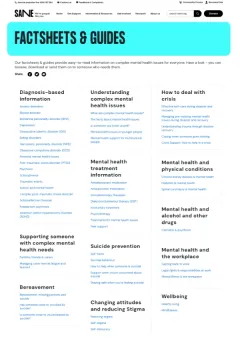
SANE Factsheets & guides website

SANE Factsheets & guides

SANE’s factsheets and guides provide easy-to-read information on complex mental health issues for everyone.

Caucasian women in her late 40s, sitting on a tanned leather sofa and researching information online

Recognising when someone might be struggling

Signs that someone may be experiencing significant distress or thinking about suicide can look different for everyone. They may include noticeable changes in mood, behaviour or the way someone talks about themselves or the future. Learning to recognise these signs can help communities respond earlier and support people to access help.

If you’re concerned about someone in your life, you can learn more about warning signs and how to start a supportive conversation on our I’m worried about someone page.

You might also find these pages helpful

I’m feeling like a burden

Learn why this feeling can happen and how support can help shift it.

I’m having suicidal thoughts

Practical guidance to help you get through difficult moments, understand what you're experiencing, and connect with support.

Get help now

Learn about and connect with national and local support services.

Are you or someone you know in crisis?

If you or someone else is at immediate risk of harm, call Triple Zero (000) or go to your nearest emergency department. If you’re supporting someone who has a plan to harm themselves, try not to leave them alone unless you’re concerned for your own safety.

Crisis support is available 24/7 via Lifeline (13 11 14), 13YARN (13 92 76) and the Suicide Call Back Service (1300 659 467).