If you or someone else is at immediate risk of harm, call Triple Zero (000) or visit your nearest emergency department.

I’m supporting someone who attempted suicide

Supporting someone after a suicide attempt can bring up many emotions. You might feel shocked, frightened, confused, angry or unsure what to do next. There is no perfect way to respond. Simply being there, listening and showing care can make a meaningful difference while the person begins to recover.

Recovery takes time. The days and weeks after an attempt can feel uncertain for everyone involved. This page offers practical guidance to help you support someone during this period while also looking after your own wellbeing.

What might help right now?

Support them right now

Practical ways to support someone after a suicide attempt, including how to talk with them and help them feel supported day to day.

Understand what they might be experiencing

Learn more about how someone may feel after a suicide attempt and what these reactions can mean.

Support recovery while looking after yourself

Find ways to support recovery over time while also looking after your own wellbeing.

Support them right now

Supporting someone after a suicide attempt can feel uncertain. You might not know what to say, how to help or what they need from you. You don’t need to have all the answers. Simply being there, listening and staying connected can make a meaningful difference.

Talking about the suicide attempt

Many supporters worry about saying the wrong thing or making things worse. It’s okay to acknowledge what has happened and to let the person know you care.

You might say things like:

  • ‘I’m really glad you’re still here.’
  • ‘I care about you and I’m here to listen.’
  • ‘How have you been feeling since everything happened?’

Try to avoid blaming language or asking “why” questions that may feel overwhelming. Instead, focus on listening and letting the person share at their own pace.

If they want to talk, try to:

  • Listen without interrupting or rushing to fix things
  • Acknowledge how they’re feeling (e.g. ‘That sounds really hard’)
  • Thank them for trusting you
  • Let them share at their own pace

If they don’t want to talk, that’s okay too. You can still:

  • Let them know you’re there when they’re ready
  • Check in gently from time to time
  • Respect their boundaries

You might say:

  • ‘I’m here if you want to talk about what happened’
  • ‘You don’t have to go through this on your own’
  • ‘We can take things one step at a time’

Avoid pressuring them to explain everything. Feeling in control of what they share can help them feel safer.

Practical ways to offer support

Recovery can take time, and the person may have good days and difficult days.

You might:

  • Check in regularly, even with a simple message or call
  • Spend time together in low-pressure ways (like going for a walk or watching something familiar)
  • Help them feel less alone, even if you’re not talking much
  • Support them with small, practical things (like meals, appointments or daily tasks)
  • Encourage them to stay connected with their GP, counsellor or mental health team

How you show up also matters. It can help to:

  • Listen without judgement and give them space to talk if they want to
  • Avoid rushing to fix things, and focus on understanding how they’re feeling
  • Encourage small, manageable steps, like attending an appointment or keeping a simple routine
  • Be patient if their energy, mood or engagement changes

Recovery is not always linear. There may be progress and setbacks along the way. It’s okay to keep things simple. Being consistent and reliable can help them feel safer and more supported over time.

Recognising when extra support is needed

It can be helpful to stay aware of changes that may suggest the person is struggling again.

You might notice:

  • Their mood or behaviour becoming more withdrawn or distressed
  • Changes in sleep, appetite or daily routines
  • Talking about feeling hopeless, trapped or like a burden
  • Losing interest in things that used to matter to them
  • Signs they may be thinking about suicide again
  • Withdrawing from friends and family
  • Increased use of alcohol or other substances

If you notice these changes, it may be a sign they need more support. You can:

  • Encourage them to reconnect with a GP, counsellor or mental health service
  • Support them to attend follow-up appointments
  • Ask directly if they are feeling safe
  • Seek urgent help if you’re concerned about their safety

These signs do not automatically mean another suicide attempt will occur. They may simply mean the person needs additional care and support. If you are concerned, encourage them to reach out to a health professional or support service.

Heterosexual couple in their 30s, sitting on the couch and completing a Beyond Now safety plan on their tablet.

Help someone create or update a safety plan

A safety plan is a practical and personalised plan you can use when things start to feel overwhelming or unsafe.

You don’t need to be in crisis to make one. Many people create a safety plan before things get really hard using the Beyond Now Safety Planning tool.

Understand what they might be experiencing

After a suicide attempt, people can experience a mix of emotions, thoughts and reactions. These can change from day to day or even moment to moment. Understanding what they might be going through can help you respond with care and patience.

What they might be feeling right now

After an attempt, it’s common for someone to experience a range of emotions, sometimes all at once.

They might feel:

  • Overwhelmed, exhausted or emotionally drained
  • Ashamed, guilty or embarrassed about what happened
  • Unsure how to make sense of it, or what it means
  • Relieved to still be alive
  • Numb, flat or disconnected
  • Worried about how others see them or what might happen next

The attempt itself (or the medical care that follows) can also be confronting or distressing. Some people may experience symptoms like:

  • Trouble sleeping
  • Nightmares or vivid memories
  • Increased anxiety or feeling on edge

These responses can be part of how the body and mind process a difficult experience.

Some people also describe more complex or conflicting feelings. A part of them may feel disappointed or confused that the attempt didn’t work, while another part may feel relieved to be alive. There’s no single ‘right way’ to feel. Their response will be shaped by their experiences and what led up to the attempt.

What these feelings might mean

These reactions are often connected to how much the person has been carrying.

For many people, a suicide attempt is linked to:

  • Intense emotional pain or distress
  • Feeling overwhelmed or unable to cope
  • A need for relief from pressure or exhaustion
  • Feeling stuck, trapped or unsure how to move forward

Some people describe it as: ‘I don’t want to die. I just don’t want to feel like this anymore.’

Feelings like shame or guilt are also very common. They may be worried about how others see them or feel unsure how to talk about what’s happened. These feelings are often part of what they’ve been going through, and can change with time and support.

Changes you might notice

As they recover, you may notice changes in how they behave, think or relate to others.

They might:

  • Spend less time with others or withdraw socially
  • Have changes in sleep or eating patterns
  • Find it harder to manage daily tasks
  • Seem more sensitive, irritable or emotionally flat
  • Lose interest in things they usually enjoy
  • Seem unsure about the future

At times, they may also seem more settled or calm after a period of distress. This can sometimes reflect a shift in how they’re coping, but it’s still important to stay connected and keep checking in. If you notice changes that concern you, it may be a sign they need extra support.

Grandparents sitting at a dining table and using a tablet to access SANE Forums and connect with other carers and family members

Connect with other friends, families & carers

Supporting someone can feel isolating. People come to SANE Forums to connect with other family members, friends and carers who can relate to what they’re going through, share experiences and offer support in a safe, moderated space.

You don’t have to post to benefit – many people start by just reading.

Support recovery while looking after yourself

Supporting someone after a suicide attempt can take time, energy and emotional strength. Looking after your own wellbeing is an important part of being able to support them over time.

Encourage them to stay connected to support

Recovery looks different for everyone, but staying connected to support can make a big difference over time.

If the person was given a discharge plan or follow-up appointment, you can:

  • Gently encourage them to attend
  • Offer to help organise appointments or go with them
  • Support them to stay connected with a GP, psychologist or mental health service

It’s okay if they feel unsure or hesitant about engaging with support. It can help to explore additional support options together. Many people use SANE RecoveryClub while waiting for other services or as part of their longer recovery journey.

RecoveryClub offers:

  • A safe, moderated space to connect with others
  • Guided discussions and peer support
  • Practical tools to help manage difficult moments
  • 1:1 recovery planning sessions

You might suggest it as an option they can explore in their own time, or even look through it together. Learn more about RecoveryClub.

Keep checking in

Recovery is not always linear. There may be progress, setbacks and changes along the way.

It can help to:

  • Keep checking in, even after things seem to improve
  • Support routines that help them feel more stable
  • Encourage small, manageable steps rather than big changes
  • Be patient if their mood or energy shifts

It’s important that the person you’re supporting is moving at a sustainable pace and choosing the things that feel right for them.

Looking after yourself while supporting someone else

Supporting someone after a suicide attempt can be emotionally demanding. You may find yourself constantly checking how they’re feeling, worrying about their safety or trying to hold everything together for them.

Here are some things that might help:

Share the responsibility.
You don’t have to be the only person supporting them. If possible, involve other trusted people such as family members, friends or health professionals so the responsibility doesn’t sit with you alone.

Talk through difficult moments.
After a crisis, it’s common to replay events or question what you should do next. Talking with someone you trust can help you process what’s happened and reduce the pressure you may be feeling.

Get guidance if you’re unsure what to do.
Crisis services like Lifeline (13 11 14), 13YARN (13 92 76) and the Suicide Call Back Service (1300 659 467) also support family members and friends. You can call to talk through the situation and get advice about possible next steps.

Set realistic boundaries.
You may want to be available all the time, but it’s not possible to carry that level of responsibility alone. It’s okay to step away, sleep, go to work or take breaks while other supports are involved.

Stay connected to your own life.
Keeping up with small routines such as exercise, work, hobbies or time with friends can help maintain balance during a stressful period.

Connect with people who understand.
Speaking with others who have supported someone through similar experiences can help you feel less alone. You can read and join discussions in the moderated SANE Forums, where people share experiences of supporting loved ones through mental health challenges.

In some communities, peer-led services such as Safe Haven may also offer informal spaces to talk and connect.

Create a simple plan for yourself.
Some carers find it helpful to write down who else is involved, what support they can realistically offer, and who they can contact if they feel overwhelmed. For example, RecoveryClub includes a My Carer Plan template that can help you organise practical support while also looking after your own wellbeing.

Looking after your own wellbeing is an important part of supporting someone through recovery. When you have space to rest, reflect and get advice, it becomes easier to stay calm and steady over time.


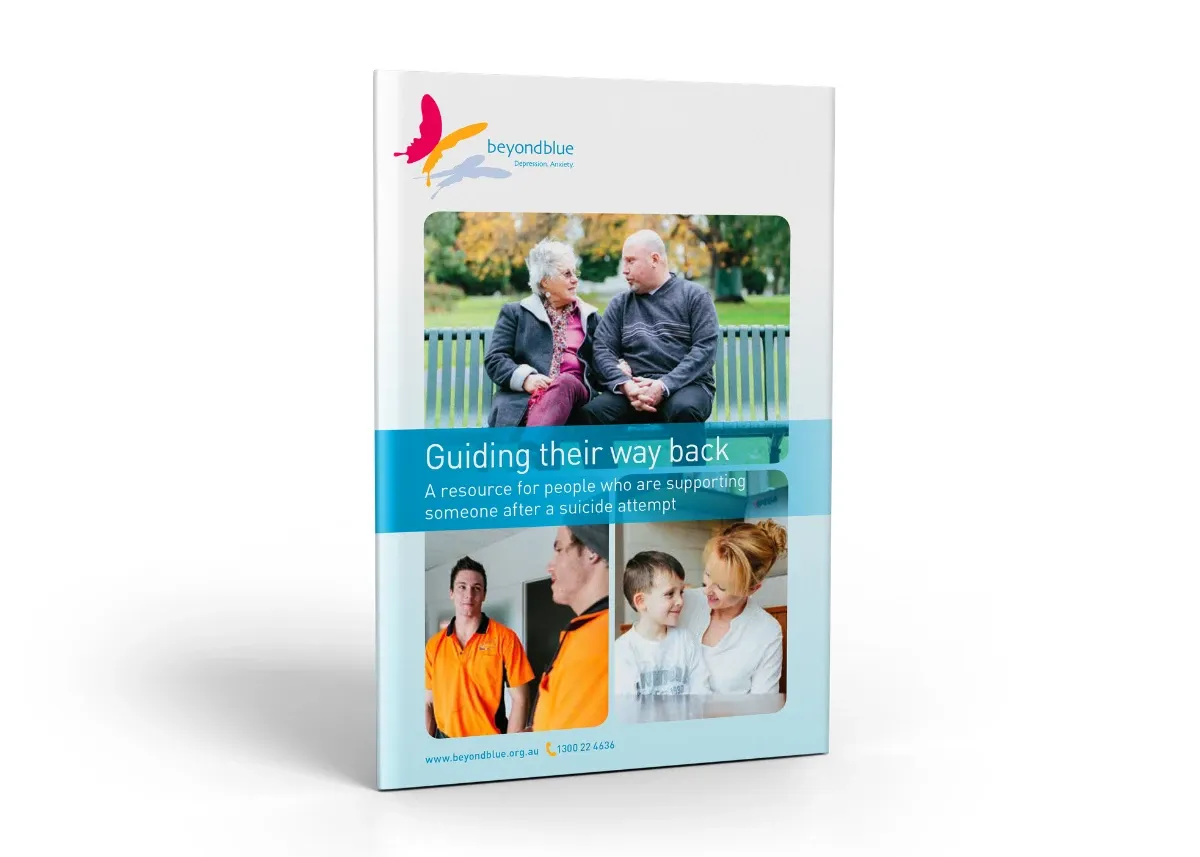
Beyond Blue Guiding their way back guide

Want more guidance?

If you’re supporting someone after a suicide attempt, the ‘Guiding their way back’ guide offers more detailed advice on what to expect and how to help over time.

SANE RecoveryClub

Access further support for friends, families & carers

Supporting someone with mental health challenges can feel isolating at times. SANE RecoveryClub offers free online support spaces where family members, friends and carers can connect with others who understand what they are going through.

Through RecoveryClub you can:

  • Participate in facilitated group discussions
  • Access practical recovery and support resources
  • Connect with trained recovery facilitators
  • Create a ‘My Carer Plan’ to help you look after your own wellbeing while supporting someone else
Hear from others

Learn how others lived through suicidal 
thoughts and attempts.

Explore support services

If you or someone you know needs support, you can explore a range of services across Australia. This includes national crisis lines as well as local mental health and community services.

You might also find these pages helpful

I’m having suicidal thoughts

Practical guidance to help you get through difficult moments, understand what you're experiencing, and connect with support.

I’m feeling like a burden

Learn why this feeling can happen and how support can help shift it.

I’m worried about someone

Signs to look out for and simple ways to start a supportive conversation with someone you care about.

Are you or someone you know in crisis?

If you or someone else is at immediate risk of harm, call Triple Zero (000) or go to your nearest emergency department. If you’re supporting someone who has a plan to harm themselves, try not to leave them alone unless you’re concerned for your own safety.

Crisis support is available 24/7 via Lifeline (13 11 14), 13YARN (13 92 76) and the Suicide Call Back Service (1300 659 467).