I’m feeling like a burden
When someone is struggling, their mind can start telling them they are a burden. These thoughts can feel very real, but they are often a sign that someone is carrying more pain than they can manage alone. They can also make someone believe that the people around them would be better off without them, even when that isn’t true. With support, connection and time, many people find that the feeling begins to ease.
What might help right now?
Hear from others who’ve felt this way
Real stories from people who have felt like a burden and found ways through.
Find ways to cope with these thoughts
Simple strategies to help you manage thoughts of being a burden.
Get support (when you’re ready)
Tips for asking for support and places you can go if you need help.
Hear from others who’ve felt this way
When you’re feeling like a burden, it can be easy to believe you’re the only one who feels this way or that others would be better off without you. Many people experience these thoughts, especially during times of stress or emotional pain. Hearing from others who’ve been through something similar can help you feel less alone and remind you that these thoughts can change.
Learn how others lived through suicidal thoughts and attempts.
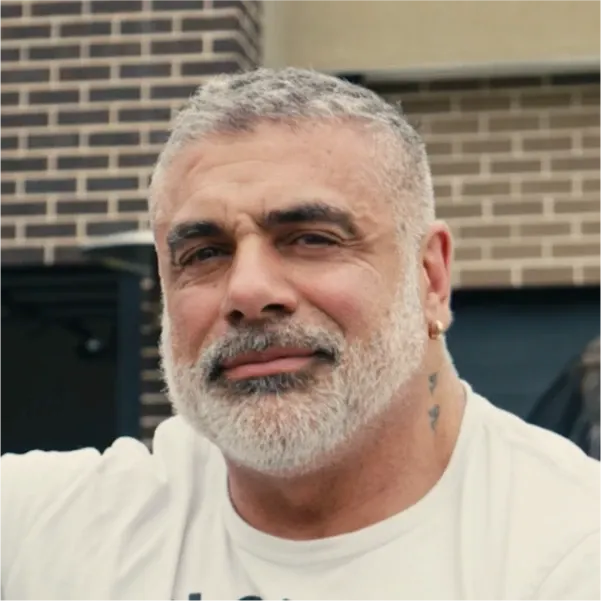
“You’ll be surprised by what the response is”
Ali learned that sharing his experiences brings people closer and creates space for real conversations.
“People do want to help”
Growing up, Phoebe worried she was feeling very different things to everyone else. Now, she wishes she’d known how many other people struggle with their mental health, and that help is there for you if you ask.
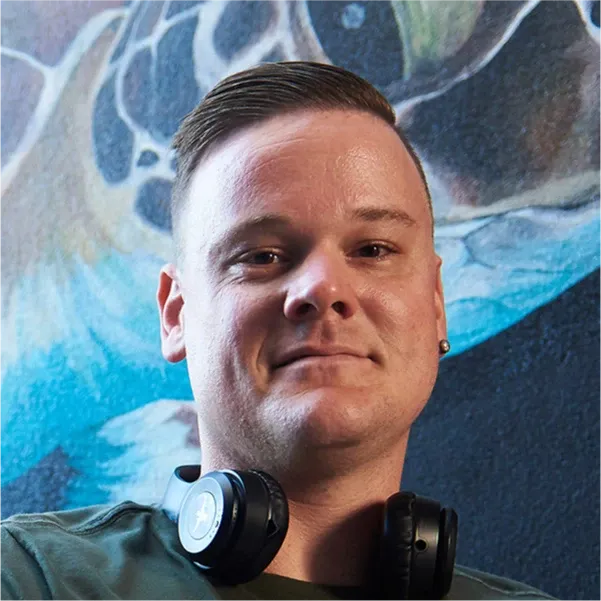
“It doesn’t define me”
Matt realised that reaching out opens doors to hope, support, and a better future.
“There were people who loved me”
John thought that if he could just be successful, he wouldn’t have to deal with his pain. But success left him feeling empty, and he realised that he needed support to manage suicidal thoughts.
“When you talk it gets easier”
Fabian discovered the power of support and connection—and how it can turn life around.
“You’re better off here”
Damon didn’t want to bring anyone down by admitting he felt life wasn’t worth living. But when he finally opened up, things started to change for the better.
“Stay connected”
Nathan found strength in opening up and reconnecting with the things that matter most.
“Small things give me hope”
‘Fly in fly out’ worker Nic tried to cope with his dark thoughts by bottling them up. He now realises that being ‘tough’ wasn’t the answer, and that the people around him really did want to help.
Find ways to cope with these thoughts
Thoughts about being a burden can feel very real and convincing, especially when you’re already feeling overwhelmed. They don’t mean they’re true, but they can still have a big impact on how you feel and what you do.
Feeling like a burden can show up in different ways.
Some people describe having thoughts like:
- ‘Everyone would be better off without me.’
- ‘I’m just making things harder for the people I care about.’
- ‘They’d have an easier life if they didn’t have to worry about me.’
- ‘I keep letting people down.’
- ‘I don’t deserve the support people give me.’
When these thoughts appear often, they can make you feel:
- Guilty for needing help
- Ashamed about struggling
- Hesitant to reach out to others
- Like you should deal with everything on your own
Over time, this can lead to withdrawing from the very support that could help you feel better.
When you’re overwhelmed, stressed or in emotional pain, your thinking can change. The mind may start focusing on things that feel like evidence that you are a burden.
For example, you might:
- Notice the times you need help but overlook the ways you support others
- Assume others are frustrated or disappointed without checking
- Blame yourself for situations that are more complex than they seem
- Be experiencing symptoms of a mental health condition like depression
Feeling like a burden is often a signal that you need more support, not less. Many people who experience suicidal thoughts say this feeling was part of their experience. Understanding that this experience is common can help reduce the sense of isolation that often comes with it.
When thoughts about being a burden show up, it can help to respond to them in small, manageable ways.
Some people find it helpful to:
Talk to someone you trust
Sharing how you’re feeling with a friend, family member, counsellor or support service can help break the cycle of keeping everything inside. You don’t have to explain everything, even saying ‘I’ve been having a tough time lately’ can open the door to support.
Spend time around supportive people
Being around others, even in small ways, can help reduce the sense of isolation these thoughts can create. This might mean spending time with a friend, joining an online discussion, or simply sitting with someone you trust.
Write the thought down
Sometimes, writing the thought down can help you see it more clearly. You might notice that it feels very powerful in the moment, but less certain when you step back from it.
Notice the thought without treating it as a fact
Thoughts can feel convincing when emotions are intense. Reminding yourself ‘this is a thought, not a fact’ can help create a little distance from it.
Focus on small steps
When everything feels overwhelming, small actions can help bring a sense of stability like getting outside, eating something simple or completing one small task.
See a GP
Sometimes these thoughts can be linked to physical or mental health challenges, like stress, sleep difficulties or depression. A GP or mental health professional can help you understand what’s going on and talk through support options.

Find peer support online
People come to SANE Forums to share their experiences and talk openly about mental health. You can read discussions, learn from others and join in when you feel ready.
You don’t have to post to benefit – many people start by just reading. It’s a safe, moderated space where you can feel less alone and connect with people who understand.
Get support (when you’re ready)
When you’re feeling like a burden, reaching out can feel especially hard. You might worry about bothering people or making things worse. You don’t have to do everything on your own. Support can help, even if it’s just taking a small first step.
Starting a conversation can feel like a big step, especially if you’re worried about being a burden or not knowing what to say. It doesn’t have to be a big or perfect conversation. You don’t need to explain everything. Just opening the door is enough.
You might start by:
- Choosing someone you feel relatively safe with
- Picking a time when they’re likely to be available
- Keeping it simple and honest
You could say:
- ‘I’ve been having a tough time lately. Can we talk?’
- ‘I’m not feeling great and could use some support’
- ‘Do you have time to check in with me?’
- ‘I don’t really know how to explain it, but I’m struggling’
If speaking feels hard, you might:
- Send a text or message instead
- Write something down first
- Share part of how you’re feeling rather than everything at once
- Let them know what would help (e.g. ‘I don’t need advice – just someone to listen’)
If you’re not sure how they’ll respond, you can keep your expectations low. Even a short conversation or a simple reply can be a starting point. People who care about you often want to help, even if they don’t always know how. Reaching out gives them a chance to show up for you.
You don’t have to rely on just one person. Having a few different sources of support can help you feel less alone and take pressure off any one relationship.
Your support network might include:
- Friends, family members or people you trust
- A GP, counsellor or mental health professional
- Peer support communities or online spaces
If it doesn’t feel possible to talk to someone you know right now, there are other ways to connect.
You might:
- Call a support service like Lifeline (13 11 14), Suicide Call Back Service (1300 659 467) and 13 YARN (13 92 76)
- Use online chat or text services if you prefer not to talk on the phone
- Speak with a GP or mental health professional about what you’re experiencing
These services are free, confidential and there to listen without judgement. You don’t have to be in crisis to reach out.
When things feel overwhelming, it can be hard to know what to do next. Having a simple plan can help you feel more supported and give you something to come back to when things feel difficult.
A recovery plan might include:
- Who you can reach out to when you need support
- Small things that help you cope or feel a bit steadier
- Ways to take care of your wellbeing day to day
- Steps you can take if things start to feel harder
Many people find it helpful to have structured support, especially while they’re waiting to see a health professional or alongside other care.
SANE RecoveryClub offers a free, supportive space where you can:
- Connect with others who understand what you’re going through
- Join guided discussions and peer groups
- Access practical tools to help manage difficult thoughts and feelings
You can take part in a way that feels comfortable, whether that’s reading, joining a group or using the tools at your own pace. Learn more about RecoveryClub.
Get instant access to mental health support
SANE RecoveryClub is a free online program offering mental health support, including peer groups, one-to-one support and practical tools.
You can connect with others who can relate to what you’re going through or simply explore the resources at your own pace.
Getting help if you feel like a burden
If thoughts about being a burden are becoming more frequent, more intense or starting to include thoughts about suicide, it’s important to seek additional support. You don’t have to manage this alone.
GPs, mental health professionals and peer communities are there to help people through difficult periods. You can explore guidance on managing suicidal thoughts here.
If you’re in immediate danger or feel like you might act on these thoughts, call Triple Zero (000) now. You can also reach out now to Lifeline (13 11 14), 13YARN (13 92 76) or Suicide Call Back Service (1300 659 467) 24/7.
Explore support services
If you or someone you know needs support, you can explore a range of services across Australia. This includes national crisis lines as well as local mental health and community services.
You might also find these pages helpful
I’m having suicidal thoughts
Practical guidance to help you get through difficult moments, understand what you're experiencing, and connect with support.
I recently attempted suicide
Support for the days and weeks after a suicide attempt, including what you may be feeling and where to find help.
I’m worried about someone
Signs to look out for and simple ways to start a supportive conversation with someone you care about.
Are you or someone you know in crisis?
If you or someone else is at immediate risk of harm, call Triple Zero (000) or go to your nearest emergency department. If you’re supporting someone who has a plan to harm themselves, try not to leave them alone unless you’re concerned for your own safety.
Crisis support is available 24/7 via Lifeline (13 11 14), 13YARN (13 92 76) and the Suicide Call Back Service (1300 659 467).